Commercial Flooring Materials Guide: What Goes Where, and Why
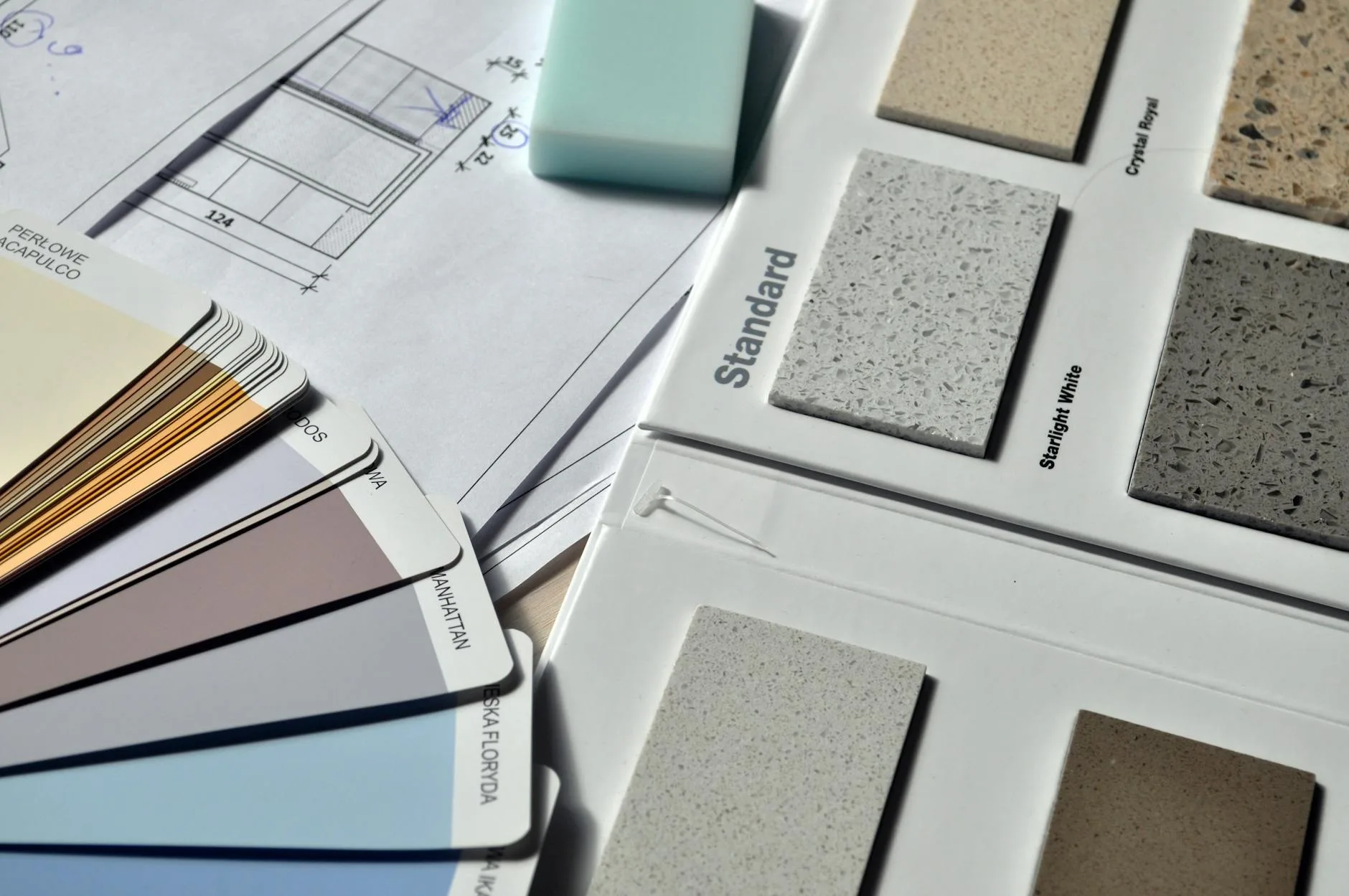
Every commercial flooring spec lives or dies on a handful of numbers most decision-makers never see until something fails. PEI rating. DCOF. ASTM F1700 wear class. Slab moisture vapor emission. These aren't trivia — they're the difference between a finish that still looks sharp at year seven and one that's getting torn out under warranty by year three. We've been installing commercial flooring across California since 1986, and most of the calls we get for premature failure trace back to the same root cause: the wrong material was specified for the actual use of the space.
This guide walks through the seven categories we install most often for B2B work — automotive dealerships, healthcare suites, hospitality, retail, and commercial tenant improvement. For each, we'll cover what it is, the durability and slip numbers that matter, how it cleans, how it handles moisture, where it fits on a life-cycle cost basis, and — most importantly — where it works and where it doesn't. At the end we'll map common use cases to recommended materials so you can sanity-check a spec quickly.
Sheet vinyl (heat-welded, homogeneous and heterogeneous)
Sheet vinyl is a continuous roll-good — typically six feet wide — installed with chemically welded or heat-welded seams. In healthcare and lab work we specify heat-welded seams with integral cove base, which turns the floor and the bottom four to six inches of wall into a single washable surface with no porous joint. That's the entire point of the product.
For durability, the relevant standard is ASTM F1913 for the sheet itself, with thickness and wear layer being the variables that move with traffic load. Slip resistance is measured under ANSI A326.3 (which supersedes the older ASTM C1028) and reported as DCOF — Dynamic Coefficient of Friction. For wet environments you want a product rated DCOF ≥ 0.42, and many healthcare-grade sheets land at 0.50 or higher when wet. Cleanability is the strongest argument for sheet: no grout, no seams that telegraph mop water, and most chemical disinfectants used in clinical settings are compatible.
Moisture tolerance is good above-grade with a moisture-mitigated slab, but the substrate prep is where projects go sideways. We test every slab with an ASTM F2170 in-situ relative humidity probe before installing sheet, and if RH exceeds the manufacturer's threshold (usually 75 to 80 percent) we mitigate. Life-cycle cost is mid-range first cost with very strong life-cycle value when the install is done right. It works in surgical suites, patient rooms, imaging, pharmacy, labs, behind-the-line foodservice, and locker rooms. It does not work in dealership service bays, exterior entries, or anywhere with steel-wheel cart traffic — the wear layer will telegraph.
Luxury vinyl tile and plank (LVT / LVP)
LVT is a multi-layer vinyl tile or plank with a printed décor layer and a clear wear layer on top, installed either glue-down or as a click-lock floating system. For commercial work we almost always specify glue-down with a full-spread pressure-sensitive or hard-set adhesive — floating systems telegraph subfloor irregularities and don't tolerate rolling load.
The number that matters here is ASTM F1700 wear class. Class III with a 20-mil or thicker wear layer is the minimum we'll spec for heavy commercial; Class III at 28 mil is what we put in dealership showrooms and high-traffic retail. For slip, the same ANSI A326.3 DCOF ≥ 0.42 wet threshold applies, and most commercial LVT lines publish that on the data sheet. Cleanability is excellent — neutral cleaner and an auto-scrubber is all most facilities need, and there's no grout to maintain. Moisture tolerance is good with proper slab testing and the right adhesive.
LVT sits at lowest to mid first cost depending on wear layer, with good to very good life-cycle value. It works in retail flagships, automotive dealership showroom floors and customer lounges, hospitality corridors and back-of-house, healthcare non-clinical areas, and most commercial tenant improvement work. It does not belong in surgical suites or anywhere requiring true wet-environment sanitation (the seams aren't welded), in exterior or vestibule applications, or under point loads like forklift wheels.
Porcelain tile (large-format, slip-rated)
Porcelain tile is a high-density ceramic fired at higher temperatures than standard ceramic, with water absorption under 0.5 percent per ASTM C373. For commercial we work almost exclusively in large-format porcelain — 24x24, 24x48, 30x30 — because fewer grout lines mean a cleaner-looking finish and less maintenance over time.
Durability is rated on the PEI scale (Porcelain Enamel Institute), running 1 through 5. PEI 3 is the floor for light commercial; PEI 4 is what we spec for retail, hospitality lobbies, and corridors; PEI 5 is reserved for the heaviest traffic like airport concourses. Slip is per ANSI A326.3 DCOF, and porcelain manufacturers publish both dry and wet values — for any wet-exposed area (entries, restrooms, around drink stations) we won't spec below 0.42 wet. Cleanability is excellent on the tile face; the grout is the maintenance variable, which is why we recommend epoxy grout or, at minimum, sealed cementitious grout in commercial settings.
Moisture tolerance is essentially unlimited — porcelain doesn't care. Life-cycle cost is mid to higher first cost with excellent life-cycle value; we've seen porcelain installations from the early 2000s that still look current. It works in lobbies, retail flagships, hospitality public spaces, dealership service-write-up areas, restrooms, and entry vestibules. It doesn't work where impact resistance matters more than wear (a dropped wrench can chip an edge), where acoustic softness is required, or where seasonal substrate movement isn't controlled with the right crack-isolation membrane.
Polished concrete (mechanically densified and polished)
Polished concrete isn't a coating — it's the existing slab, mechanically ground with progressively finer diamond abrasives, chemically densified with a lithium or sodium silicate hardener, and polished to a specified gloss level. The CPAA (Concrete Polishing Association of America) defines four gloss levels (1 through 4) and three aggregate exposure classes (cream, salt-and-pepper, large aggregate).
Durability is a function of the slab itself plus the densifier — a properly densified and polished slab will outwear nearly every applied finish, with no wear layer to fail. Slip resistance under ANSI A326.3 typically runs 0.42 to 0.55 wet depending on gloss level and the slip-resistant treatment if any. Cleanability is excellent — dust-mop and auto-scrub with neutral cleaner. Moisture tolerance is essentially infinite (it is the slab), though efflorescence and surface staining are real failure modes that proper densification reduces but doesn't eliminate.
Life-cycle cost is one of the lowest available when you already have a sound slab — there's no flooring material being installed, just a treatment of what's there. It works exceptionally well in dealership service drives and parts departments, warehouse and back-of-house, manufacturing, brewery floors, and increasingly in retail and hospitality where the industrial aesthetic suits the brand. It doesn't work where the existing slab is compromised (heavily patched, cracked, contaminated with old adhesive residue, or with high moisture vapor emission), where acoustic comfort matters (it's hard and reflective), or where the floor is the wear surface for steel-wheel carts without protective casters.
Terrazzo (epoxy-matrix and cementitious)
Terrazzo is a poured-in-place composite of marble, granite, glass, or recycled aggregate chips bound in either an epoxy resin (more common in commercial today) or a cementitious matrix, ground and polished after cure. Precast terrazzo tiles exist but most flagship commercial work is poured.
Durability is the highest of any material on this list — terrazzo installations from the 1930s are still in service in courthouses, transit terminals, and museums across the country. The matrix itself, the aggregate, and the divider strips (zinc, brass, or plastic) all wear together at essentially the same rate. Slip per ANSI A326.3 runs 0.42 and up depending on finish; honed and lightly textured finishes outperform high-polish for wet-rated areas. Cleanability is excellent — there's no grout, and a sealed epoxy matrix takes most commercial cleaners without issue.
Moisture tolerance for epoxy-matrix terrazzo is excellent above-grade; cementitious terrazzo is more tolerant of slab moisture but slower to install. Life-cycle cost is the highest first cost on this list and the lowest life-cycle cost — properly maintained terrazzo can outlast the building's interior fit-out two or three times over. It works in flagship lobbies, civic and institutional projects, healthcare main circulation, hospitality signature spaces, and anywhere a permanent monolithic floor is the design intent. It doesn't work for fast-turn tenant improvement (cure and polish time is real), tight budgets, or projects where the floor is expected to be replaced inside ten years.
Carpet tile (modular)
Carpet tile is a modular carpet system — typically 24x24 inches or larger planks — with a dimensionally stable backing (usually cushion-back or hard-back PVC, increasingly bio-based composites) installed with releasable adhesive or pressure-sensitive tabs. The modularity is the entire commercial argument: a stained or damaged tile lifts and gets replaced individually, without seaming a roll.
Durability is governed by face weight, fiber type (solution-dyed nylon is the workhorse), and the manufacturer's traffic rating — most commercial product is rated for heavy traffic per ASTM D7330 and similar. Slip isn't a primary metric for carpet, but the backing system and underfoot stability matter for trip/fall risk and for ADA cross-slope compliance during transitions. Cleanability is good for dry soil and routine vacuuming; wet spills are where carpet tile loses to hard surface, though encapsulation cleaning has improved.
Moisture tolerance is acceptable above-grade with proper slab testing, though slab moisture is the most common cause of premature backing failure we see in the field. Life-cycle cost is mid first cost with very good life-cycle value when the replacement-on-damage model is actually used — most facilities don't take advantage of it and instead replace the whole installation, which erases the value proposition. It works in open office, executive offices, hospitality corridors and meeting space, healthcare administrative areas, and educational settings. It doesn't work in clinical patient-care areas, foodservice, exterior-adjacent zones, or anywhere with persistent moisture or chemical exposure.
Quarry tile and high-performance epoxy (back-of-house and industrial)
Two materials we'll cover together because they tend to compete for the same back-of-house specs. Quarry tile is an unglazed, dense-bodied clay tile with a naturally slip-resistant face, traditionally specified for restaurant kitchens, commissary, and dish areas. High-performance epoxy — typically a troweled or self-leveling resin system three to six millimeters thick — competes for the same applications and increasingly wins on healthcare and pharma cleanroom work.
Quarry tile durability is excellent; the body wears uniformly and color goes through the tile, so chipped edges don't show as starkly as glazed ceramic. Slip per ANSI A326.3 is typically 0.50 to 0.60 wet, which is why it remains the default kitchen spec for many AHJs. Epoxy systems can be formulated to similar slip values with broadcast aggregate; without aggregate they slip badly when wet. Cleanability for quarry is good on the tile, demanding on the grout — and the grout is the failure point in commercial kitchens, which is why we use epoxy grout exclusively in foodservice applications. Epoxy resin systems are monolithic with no joints (cove the walls and you have a continuous sealed surface), which is their main argument.
Moisture tolerance is excellent for both, though epoxy is more sensitive to slab moisture vapor emission at install. Life-cycle cost: quarry is mid first cost with strong life-cycle value when the grout is maintained; epoxy is mid to higher first cost with strong life-cycle value when the substrate prep is done correctly. Quarry works in commercial kitchens, brewery and beverage production, food processing, and anywhere a thermal-shock-tolerant floor is required. Epoxy works in healthcare procedure rooms, pharma and lab cleanrooms, laboratory animal facilities, and any back-of-house where a seamless coved-up sealed surface is the requirement. Neither belongs in customer-facing space unless the brand specifically wants the industrial aesthetic.
The use-case matrix: matching material to space
Here's how we generally talk through a spec with a facility manager or PM. For a healthcare suite with surgical or sterile-processing areas, the answer is heat-welded sheet vinyl with integral cove, or a coved epoxy resin system if the chemistry demands it. Patient rooms and corridors go to sheet vinyl or commercial-grade LVT depending on the budget and the cleaning protocol. Healthcare administrative areas can take carpet tile.
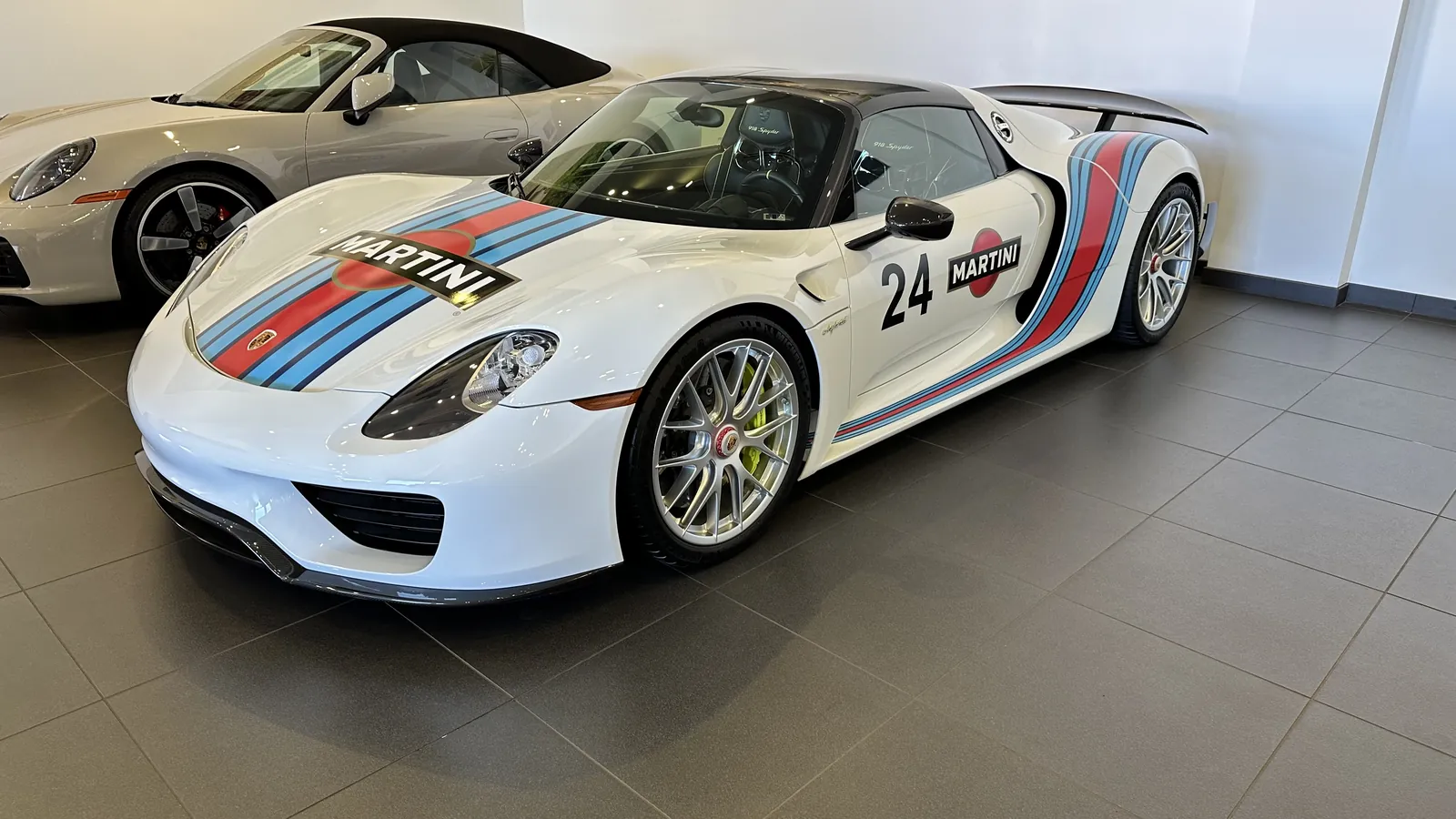
For an automotive dealership, the showroom is a four-way conversation between large-format porcelain (timeless, premium feel, hardest to damage), heavy-wear-layer LVT (warmer underfoot, easier to refresh during brand updates), polished concrete (industrial-modern brands), and terrazzo (flagship-only). Customer lounges go LVT or carpet tile. Service drives and shop floors are polished concrete or, for heavy chemical exposure, a high-performance epoxy. Parts mezzanines are typically polished concrete.
For hospitality, public-space lobbies pull toward porcelain or terrazzo for flagship properties, with LVT and carpet tile combinations through corridors and into guest-room areas. Restaurant front-of-house is porcelain or premium LVT; back-of-house kitchens are quarry tile with epoxy grout, no exceptions we'd recommend. For retail, flagship floors take porcelain, terrazzo, or high-spec LVT; tenant fit-out retail typically lands on commercial LVT for speed of install and refresh cycle alignment.
For general commercial interiors and tenant improvement, open office is carpet tile, private offices and meeting rooms are carpet tile or LVT, corridors and break areas are LVT, and any wet area (restrooms, kitchenettes) is porcelain. For specialty installations — cleanrooms, ESD-rated assembly, conductive flooring, raised access — the spec is usually driven by the engineering requirement, not the aesthetic, and we work from the performance side back.
A note on what actually drives life-cycle cost
The single largest variable in commercial flooring life-cycle cost isn't the material — it's the substrate prep and the install. We've torn out three-year-old installations of premium product that failed because the slab wasn't moisture-tested, or because the existing adhesive residue wasn't mechanically removed, or because the joints in the substrate weren't honored in the finish floor. We've also serviced thirty-year-old terrazzo and quarry-tile installations that were specified correctly and installed once.
The materials in this guide all have a place. The question isn't which is best in the abstract — it's which is best for your traffic, your cleaning protocol, your substrate, your refresh cycle, and the way your space actually gets used on a Tuesday afternoon. We've been answering that question for three generations of California commercial work, from Irvine and the broader Orange County market up through Los Angeles and into Northern California. If you have a TI underway and the flooring spec is still open, send us the plans and the use program and we'll tell you straight what we'd put where, and what we wouldn't.
Quick answers.
What's the difference between DCOF and SCOF, and which one matters for commercial slip resistance?
DCOF (Dynamic Coefficient of Friction) measures slip resistance while motion is already occurring, which is closer to how real slip-and-fall incidents happen. ANSI A326.3 is the current standard and uses DCOF; the older ASTM C1028 SCOF (Static) standard has been withdrawn for tile. For commercial wet-exposed areas we won't spec below DCOF 0.42 wet.
How do I know if an LVT product is rated for heavy commercial traffic?
Look for ASTM F1700 Class III designation on the data sheet, along with a wear layer of at least 20 mil for heavy commercial and 28 mil for the highest-traffic showroom and retail applications. The wear layer thickness is the single most predictive number for how long the product will hold up.
When does it make sense to polish the existing concrete slab instead of installing a flooring material over it?
When the slab is sound, sufficiently flat, free of significant patches and old adhesive residue, and the moisture vapor emission is within range. We mechanically test all four before recommending polished concrete — if any one fails, an applied finish with proper substrate prep is usually the better path.
Why is sheet vinyl with integral cove the default for surgical and clinical areas instead of tile?
The heat-welded seam combined with a flash-coved base creates a single continuous washable surface with no porous grout joint at the floor-wall transition. That's the requirement for terminal cleaning protocols and FGI Guidelines compliance in sterile-processing and surgical environments.
Is polished concrete actually cheaper over the life of the floor, or just at install?
Both, in most cases, when you already have a sound slab — there's no material being installed, just a treatment of what's there, and there's no wear layer to fail and replace. The caveat is that polished concrete is the slab, so cracks, future trenching for utilities, and substrate damage are all visible and harder to address than with an applied finish.
Shawn is the third-generation owner of Coast Floors. He's spent 15+ years in the commercial flooring industry, taking over operations from his father in 2018. Shawn leads project planning and client relationships, with a focus on healthcare, hospitality, and high-end retail work — the projects where flooring spec and installation precision matter most.
Healthcare Flooring in Southern California: What's Different Here
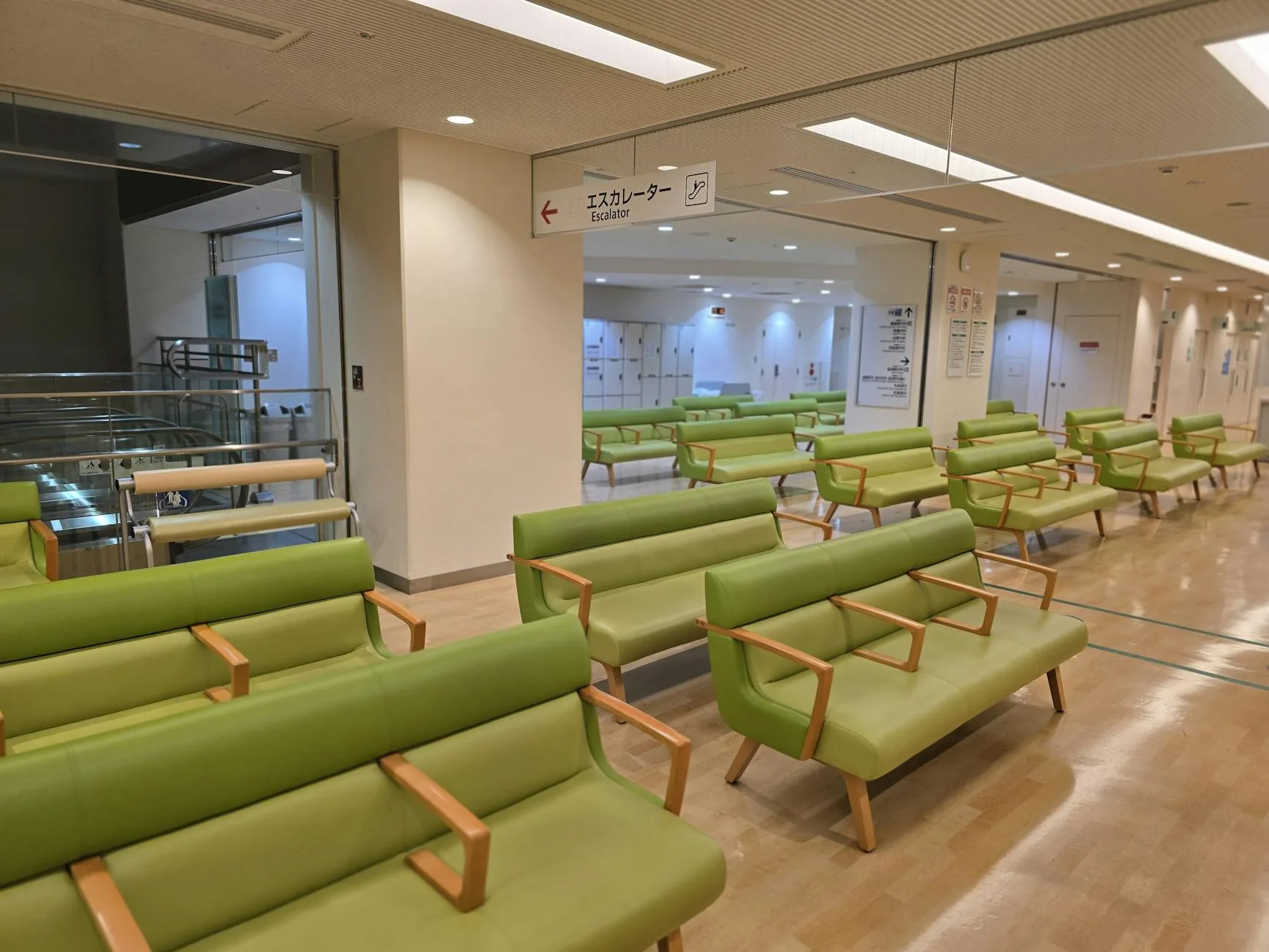
Healthcare flooring in Southern California has its own rulebook — HCAI submittals, ICRA barriers, DCOF specs, and seismic detailing. Here's what we've learned.
Read article
Why Commercial Floors Fail Early: 5 Causes We See on Site Visits
Why commercial flooring fails early, from a 3rd-generation crew. Moisture, prep, spec, joints, and chemistry — the trade-level diagnostics we run on site.
Read article
How to Read a Commercial Flooring Bid (And What Variance Actually Means)
A 3rd-gen commercial flooring contractor explains how to compare a commercial flooring bid apples-to-apples — scope, allowances, alternates, and red flags.
Read article