
Phased Commercial Flooring Installation in Occupied Buildings
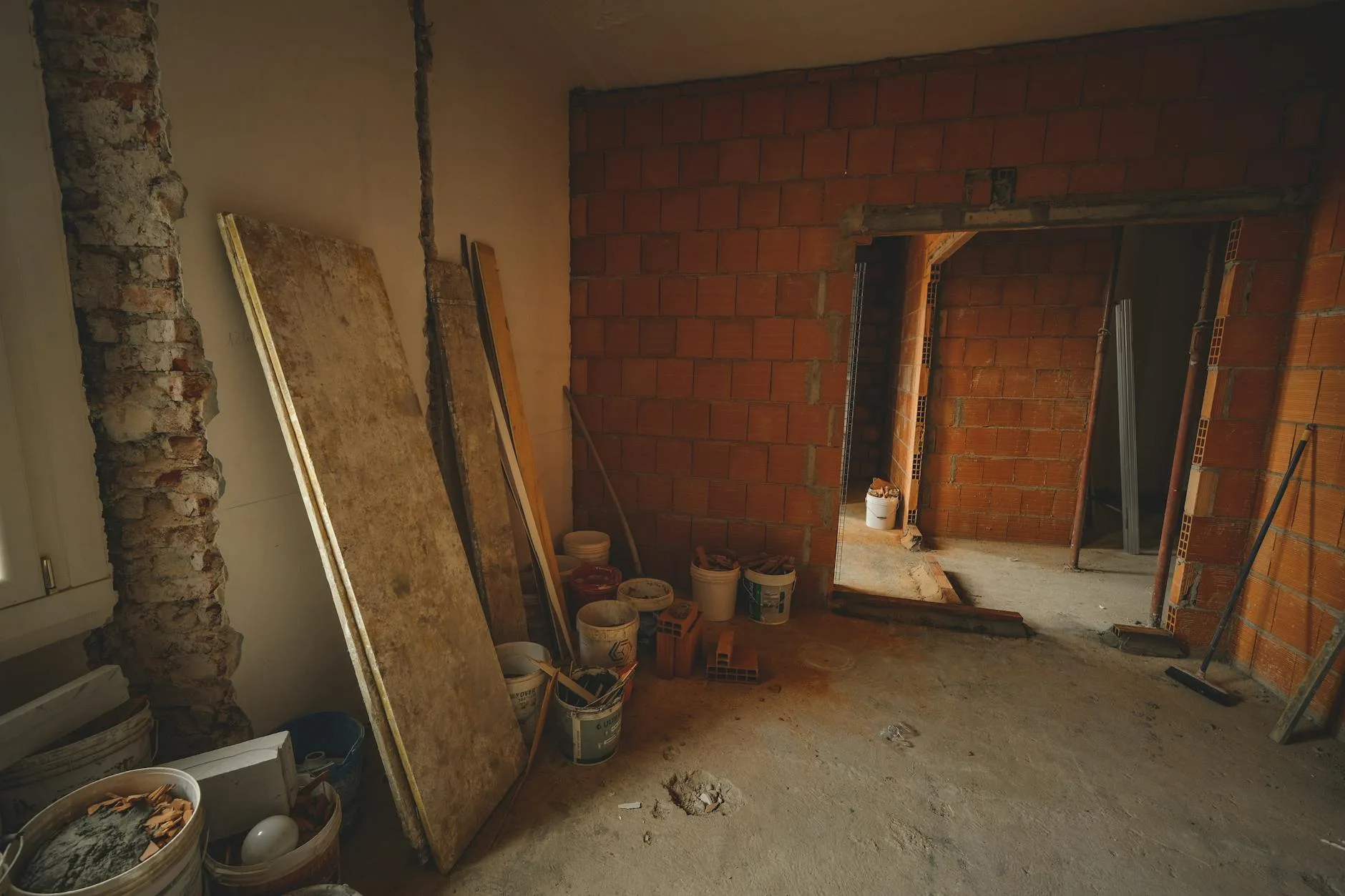
Every commercial flooring project we bid eventually surfaces the same question from the facility side of the table: how do you replace this floor without shutting us down? It is rarely the headline ask in the RFP, but it is almost always the question that decides who wins the job. A clinic cannot send patients away for three weeks. A dealership cannot park its inventory on the street. A restaurant operator who closes a dining room for ten consecutive days is losing more than he is spending on the floor.
Phased installation is how a commercial floor gets replaced while the business keeps running. Done right, it is invisible to the customer walking in the door. Done wrong, it is the story the operations team tells for years. After three generations doing this work across California, we have a strong opinion about how that plan gets built, who owns which decisions, and where the schedule almost always breaks. This is the field-level version.
Why phasing exists in the first place
A flooring scope looks small next to the structural and MEP work on a typical commercial interiors buildout, which is exactly why it gets squeezed at the end of the schedule. By the time we are mobilizing, the trades ahead of us are usually behind, the owner has a hard reopen date, and the space is no longer empty. That is the real reason phasing exists. It is not a flooring preference. It is a response to the gap between when the substrate is ready and when the owner can afford to be dark.
Different sectors create that gap in different ways. A healthcare client cannot suspend infusion or imaging while the corridor outside gets a new resinous system. A dealership living on monthly volume cannot lose its showroom floor or its service drive during selling hours. A retail tenant on a lease with a co-tenancy clause cannot close for two weeks without triggering the clause. A hospitality operator with a banquet booked Saturday cannot have epoxy curing in the ballroom Friday night. The constraint is always operational. The flooring just has to bend around it.
When we look at a job, the first thing we ask is not what product is specified. It is what cannot stop. Once we know what cannot stop, the phasing plan starts to write itself.
How a phasing plan actually gets built
A real phasing plan starts with a walkthrough that includes the GC superintendent, the facility manager, and somebody from operations who actually knows the rhythm of the building. Not the corporate liaison. The person who knows that the loading dock is dead Tuesdays after 2 p.m. and that the south wing of the clinic runs short-staffed every other Friday. The plan is built on that operational knowledge, not on a blank floor plan.
From there we break the footprint into work zones. A zone is whatever can be isolated, contained, and turned over as a complete unit. On a healthcare floor, a zone is typically a wing or a defined corridor segment between fire doors. On a dealership, it is the showroom, the service write-up lanes, the customer lounge, and the back-of-house parts area treated separately. On a retail buildout, it might be a single department at a time. The zone is the unit of phasing. Everything else, including shifts and crew sizing, follows from how the zones are drawn.
Then we sequence the zones against the operations calendar. Some zones can run during business hours behind a hard partition. Some have to run at night. Some only open up on weekends. Some are stuck waiting on the GC to deliver the substrate at a specific moisture content. We map all of that onto a schedule that the GC, the owner, and our crew foreman all sign off on before the first demo cut.
The deliverable is usually a phasing exhibit, marked-up floor plans showing each zone, its dates, its work hours, its containment strategy, and its tie-in details where one zone meets the next. The exhibit goes into the submittal package alongside the product data. If a GC is not asking for it, that is a quiet signal about how the job is going to run.
Day shifts, night shifts, weekend scopes
The shift question is where economics and operations collide. The honest version is that off-hours work costs more, and there is no way around it. The cost categories are predictable: trade overtime or premium time, supervision coverage for shifts that would not otherwise be staffed, swing-shift cleanup and material staging, sometimes a separate cure and protection crew so the day crew is not stepping on green coatings. Anybody bidding a heavily phased job at straight-time day rates is either missing scope or planning to find it later as a change order.
Day shifts work when a zone can be hard-isolated from operations. A back-of-house storage area, a closed wing, a department that can be roped off without affecting the rest of the store. The crew can run a normal workday, dust gets contained, and the public space stays public. This is the cheapest mode and the one we push for whenever the floor plan allows it.
Night shifts work when the business has a real overnight close. Restaurants between dinner and prep. Retail with a hard 9 p.m. lock-up. Auto dealerships after the service drive closes. The constraint is cure time. Most resinous and adhesive systems need quiet, clean, temperature-controlled hours to come up, and a night shift only succeeds if the chemistry of the system allows a reopen by morning. We have walked plenty of clients off polyaspartic when the schedule needed urethane cement, or off a thicker resinous buildup when a thinner system with a faster cure was the actual fit. The product has to match the window, not the other way around.
Weekend scopes are how we handle the in-between cases. A healthcare corridor that cannot be touched Monday through Friday. A dealership service department that runs six days a week and only goes dark Sunday. A restaurant that closes one night a week for deep clean. Weekends buy more continuous time than a single night shift but cost the operator a meaningful slice of weekly revenue, so the calendar gets negotiated hard. We have done dealership re-floors that were five consecutive Sundays, and clinic corridors that were three consecutive Saturday-into-Sunday windows. The pattern is the same. Pick the operational dead zone, build the phase to fit inside it, and finish with the floor protected and walkable before the building reopens.
Coordinating with the GC's master schedule
The flooring is not an island. It lives inside the GC's master schedule, and the master schedule lives inside the owner's reopen date. The coordination work is mostly about negotiating substrate readiness windows and protecting the cure clock once installation starts.
Substrate readiness is the predecessor that breaks more flooring schedules than anything else. The slab has to be at the right moisture content, the right pH if a resinous system is specified, the right profile after shot blast or diamond grind, and free of curing compounds the spec did not allow for. If the GC's concrete is two weeks behind, our schedule is two weeks behind, and the owner's reopen date does not move. The earliest conversation we want with the GC superintendent is about the slab. Everything downstream is easier when that one variable lands clean.
Once installation starts inside a zone, the cure clock is non-negotiable. A polyurethane topcoat that needs eighteen hours before light foot traffic needs eighteen hours, not twelve because the owner wants to walk it Friday morning. We protect the cure window in writing on the phasing exhibit, and we use the GC's daily reports to keep the clock visible to everyone. If a phase is going to slip the reopen, the answer is to know about it Monday, not Thursday night.
For projects where the GC is running a GMP schedule with locked milestone dates, the flooring scope gets float allocated to the right places, usually around moisture testing and around the transitions between zones. If float has been compressed out of those two places, the schedule is fragile, and we say so during preconstruction rather than after the fact.
Infection control on healthcare jobs
Healthcare phasing has its own rulebook, and the rulebook is called ICRA, the Infection Control Risk Assessment. Before we touch a substrate in an occupied medical facility, the infection control officer assigns a risk class to the work and the adjacent patient zones, and that class determines the containment standard. A Class IV barrier in a corridor outside an oncology infusion suite is a different animal from a Class II barrier outside an administrative office. Both have a written specification, and both get inspected.
The deliverables on a healthcare phase usually include negative-air containment with HEPA-filtered exhaust, anteroom entry to the work zone, sticky mats at the threshold, MERV-rated upgrades on the return-air paths if the existing HVAC sees the work zone, and a daily log of barrier integrity and pressure differentials. We bring this scope into the bid line by line on healthcare work because trying to retrofit it later is a margin disaster and an infection-control violation in waiting.
The other healthcare-specific element is shift timing relative to clinical workflow. A clinic does not stop being a clinic at 5 p.m. Pharmacy may be open. After-hours rounds may continue. The night-shift window that works for a retail tenant does not automatically work for a hospital. We schedule against the clinical calendar, not the lease calendar, and we never assume the after-hours window we used at the last facility applies at this one.
Dust, noise, and the smell of the work
Even outside healthcare, dust containment is the difference between an invisible install and an angry tenant. The standard kit on an occupied buildout includes plastic-wall partitions with zippered access, negative-air machines with HEPA filtration sized to the cubic footage of the work zone, sticky mats at every exit, and MERV-13 or better filters installed on the adjacent HVAC returns for the duration of the phase. On a heavier prep scope, we add a separate dust extraction unit at the source, attached to the grinder or shot blast, so we are catching the dust before it has a chance to get airborne.
Noise is harder to contain than dust, and the answer is usually about timing, not equipment. Shot blast in an occupied retail space at 11 a.m. is a phone call from the operator regardless of how clean the dust is. The same equipment running at 11 p.m. in the same space is a non-event. We schedule the loud parts of the work, demo and substrate prep especially, into windows where noise is acceptable, and we schedule the quiet parts, install and detailing, into the windows where the business is more sensitive.
Odor management is the third leg, and it gets underestimated. Some resinous systems off-gas during cure in a way that an HVAC return can carry to the rest of the building. On a hospitality job with guest rooms on the floor above the ballroom, we have isolated returns, run portable carbon filtration, and in some cases chosen a low-VOC product line specifically to keep the cure window from creating a guest complaint. The right answer depends on the building's airflow and on the product chemistry. The wrong answer is finding out after the fact.
The sequence inside a single zone
Once a phase opens, the work inside it follows a predictable sequence, and the sequence matters because each step is a hold-point for the next. We rush none of it, even on a tight phase.
The sequence is demo, substrate prep, moisture and pH testing where applicable, primer or skim or membrane as the system requires, install of the wear layer, cure, protection, and reopen. On a dealership service area going from old urethane cement to new urethane cement, that sequence might compress into one long weekend if the crew is sized correctly and the chemistry allows. On a retail buildout going from existing VCT to a new resilient sheet system over a slab that fails moisture, that sequence might stretch across multiple phases because the moisture mitigation membrane has its own cure curve.
The non-negotiable in the sequence is moisture testing on slab-on-grade work. We test, we record, and we adjust the system if the slab is reading wet. We have had jobs where the moisture readings came in high in week one of a multi-phase project, and we re-scoped the remaining phases around a moisture mitigation primer rather than try to push through with the originally specified adhesive. The reopen date held. The original spec did not, and that was the right call.
Swing space, the unsung scheduling lever
Swing space is where the furniture, inventory, equipment, and sometimes staff go during a phase. It is the single most underestimated variable in a phasing plan, and it is usually owned by the facility manager, not by us. But the flooring schedule cannot be built without it.
On a dealership job, swing space is where the cars on the showroom go during a phase. If the answer is the back lot, the back lot has to be drivable and weather-tolerant. If the answer is an offsite storage lot, that adds shuttle logistics and an insurance conversation. On a healthcare job, swing space is where the clinical workflow temporarily relocates. If a reception area is being refloored, the receptionists need a working station somewhere else, with phones, network, and line of sight to the entrance. On a retail job, swing space is fixtures and inventory, and the question is whether the back room can hold a department's worth of product without violating egress.
We ask about swing space in the first walk-through because the answer changes how the zones get drawn. If swing space is tight, the phases get smaller and there are more of them. If swing space is generous, we can run larger zones and finish faster. The cost trade is real either way, and the facility manager has to weigh it. We can describe the options. We cannot make the call for the operator.
Two short examples from real jobs
We did a five-phase TI on a healthcare facility in the Irvine area where the existing sheet vinyl was failing in the patient corridors. The facility could not close, could not relocate patients, and could not let dust into the imaging suite that shared an HVAC return with the corridor. We phased the work across five consecutive weekends, Friday at 8 p.m. through Sunday at 6 p.m., with Class III ICRA containment, negative-air HEPA exhaust, MERV-13 filters on the adjacent returns, and a polyurethane sheet system selected for a cure curve that allowed Monday morning patient traffic. The reopen held all five weekends.
A separate job, a Newport Beach automotive dealership, needed the service drive and the customer lounge re-floored without losing weekday revenue. We ran the work over three phased weekends, Saturday close-of-business through Monday open. The service drive went first because urethane cement could cure inside the window and the service department needed the most reliable surface. The customer lounge went second with a different system tuned to a quieter cure. A back-of-house parts area went third during normal business hours behind a hard partition. The dealership lost zero service appointments across the project.
Neither of these jobs were extraordinary. They were the standard outcome when the phasing plan was built right and the GC, the operator, and our crew all knew which zone was open which day.
What to ask a flooring contractor before bid
If you are a facility manager or a GC writing the RFP, there are questions that surface phasing capability faster than reading a bid form. Ask the bidder to walk you through a recent phased job in a comparable sector. Listen for whether the answer is operational, schedule-driven, and specific, or whether it is generic. Ask how they handle moisture testing on a slab that comes back wet mid-project. Listen for whether the answer includes a fallback system rather than a change order. Ask what ICRA classes they have worked under if the job is healthcare. Ask what their off-hours premium structure looks like, framed in categories, and whether their bid already includes it for the phases the schedule requires.
The most useful question we get asked is the simplest one. What is the longest continuous window you actually need inside a single phase, and what is the shortest one you can work with? An honest answer to that is the start of a real phasing conversation. A vague answer is the start of a project that will run long.
Closing
A phased commercial floor installation is not a different kind of flooring. It is the same flooring, installed with operational discipline layered on top. The discipline costs more, sometimes meaningfully more, and it pays for itself the first time the owner's reopen date holds without a renegotiation.
Three generations into this work, our view is simple. The contractor who can describe how the floor gets installed without taking the business dark is the contractor who has done it enough times to be honest about the trade-offs. The rest is craft, and the craft is the same whether the building is occupied or not.
Quick answers.
How far in advance should phased flooring be planned on a commercial buildout?
We want to be in the preconstruction conversation as early as the substrate scope is defined, typically six to eight weeks before mobilization. The phasing plan depends on operations input, GC schedule input, and product cure curves, and none of that compresses well into a final-week negotiation.
Can a healthcare corridor really be re-floored without relocating patients?
Yes, with the right phasing and ICRA containment. Class III or IV barriers, negative-air HEPA exhaust, anteroom entry, MERV upgrades on adjacent returns, and a product cure curve that respects the clinical window are the standard package. The facility's infection control officer signs off before we touch a substrate.
What is the single biggest cause of phasing schedules slipping?
Substrate readiness, almost always. Slab moisture, pH, profile, and residual curing compounds drive more phasing slips than any other variable. The earliest meaningful conversation with the GC superintendent is about the slab.
Why does off-hours work cost more, and what drives the categories?
Trade premium time, supervision coverage outside normal hours, swing-shift cleanup and material staging, and sometimes a separate cure-and-protection crew. The categories are predictable; the magnitude depends on how many zones are running off-hours and how long the cure windows are.
What is swing space and why does it matter so much?
Swing space is where furniture, inventory, equipment, or staff temporarily relocate during a phase. It is the variable that decides how large each zone can be and how many phases the job will need. The facility manager owns the decision, and the answer changes the entire schedule.
Shawn is the third-generation owner of Coast Floors. He's spent 15+ years in the commercial flooring industry, taking over operations from his father in 2018. Shawn leads project planning and client relationships, with a focus on healthcare, hospitality, and high-end retail work — the projects where flooring spec and installation precision matter most.
Healthcare Flooring in Southern California: What's Different Here
Healthcare flooring in Southern California has its own rulebook — HCAI submittals, ICRA barriers, DCOF specs, and seismic detailing. Here's what we've learned.
Read article
Why Commercial Floors Fail Early: 5 Causes We See on Site Visits
Why commercial flooring fails early, from a 3rd-generation crew. Moisture, prep, spec, joints, and chemistry — the trade-level diagnostics we run on site.
Read article
Commercial Flooring Materials Guide: What Goes Where, and Why
A senior installer's commercial flooring materials comparison — sheet vinyl, LVT, porcelain, polished concrete, terrazzo, carpet tile, epoxy. What goes where.
Read article